
Understanding Brexit means looking at how the UK left the European Union, what changed afterwards, and how Britain’s relationship with Europe continues to evolve. Discover what changed after Brexit, examine the UK's relationship with the EU today, and explore the questions surrounding its future. Our aim is to provide reliable information that helps you understand the issues and draw your own conclusions.
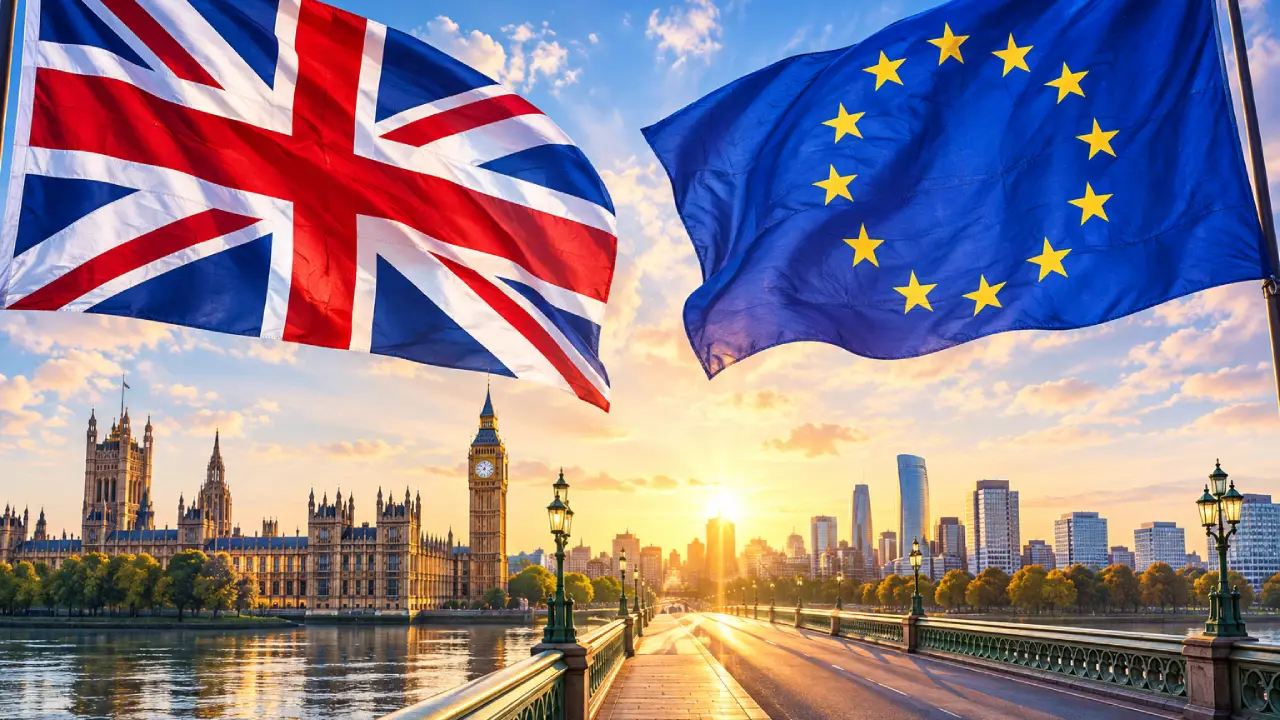
Understanding Brexit: Explore the Issues
Explore how Brexit came about, what changed afterwards, how the UK and EU work together today, and the questions surrounding their future relationship. Each topic will distinguish sourced facts from interpretation, helping readers examine the evidence in context.
Brexit Explained
A clear introduction to the background, key events and terminology of Brexit, with explanations, timelines and links to primary sources.
Explore →What Changed After Brexit?
Explore how Brexit has affected the UK's relationship with the European Union, including trade, travel, business and cooperation. Examine the evidence behind the changes and what they mean today.
Explore →UK & EU Today
Explore how the UK–EU relationship works today, including trade, energy, security, research and opportunities for young people. See how cooperation has developed since Brexit, what changed at the November 2026 summit, and what still separates closer partnership from EU membership.
Explore →Rejoining the EU
Explore what a future UK application to rejoin the European Union would involve, including Article 49, accession negotiations, the euro, Schengen, possible membership terms and the political decisions that would have to come first.
Explore →How We Work
Understanding complex political questions requires reliable information, transparent sourcing and a willingness to examine different perspectives. At UndoBrexit, we aim to distinguish established facts from interpretation, identify the sources behind our reporting and acknowledge uncertainty where it exists.
Evidence First
We prioritise original documents, official statistics and reputable research wherever possible. We identify our sources so readers can examine the evidence and verify information for themselves.
Clear Explanations
We explain complex issues in clear, accessible language without oversimplifying the evidence. We provide context, explain important terminology and distinguish established facts from questions that remain open.
Transparency & Accountability
We identify our sources, distinguish facts from interpretation and acknowledge uncertainty where it exists. When we discover factual errors, we aim to correct them promptly and transparently.